
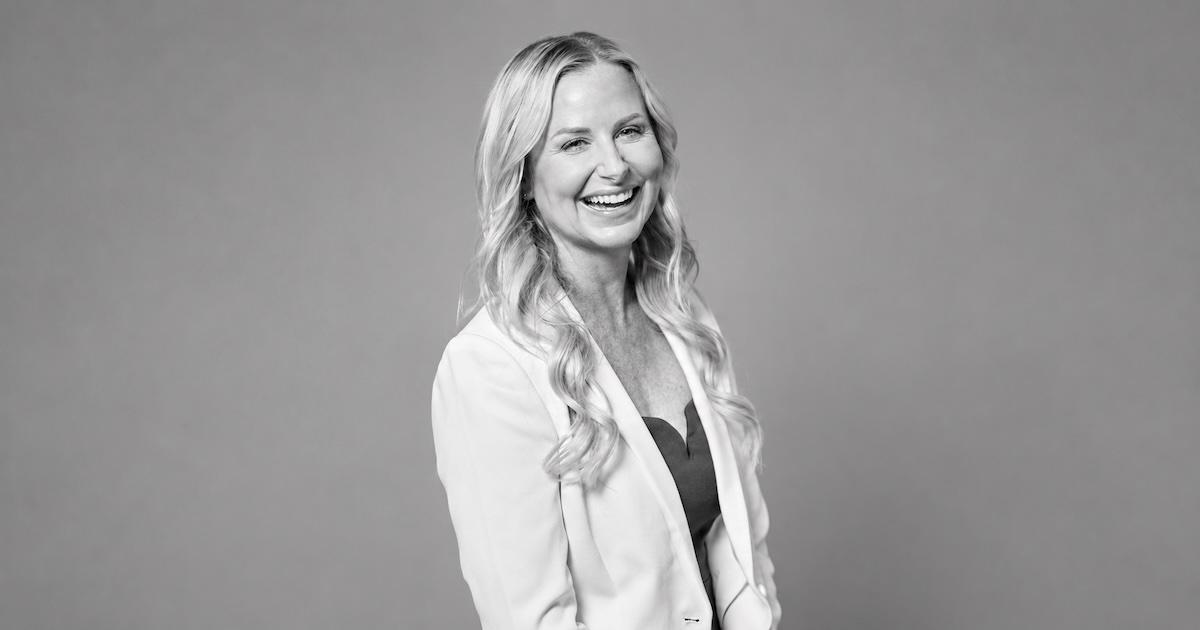
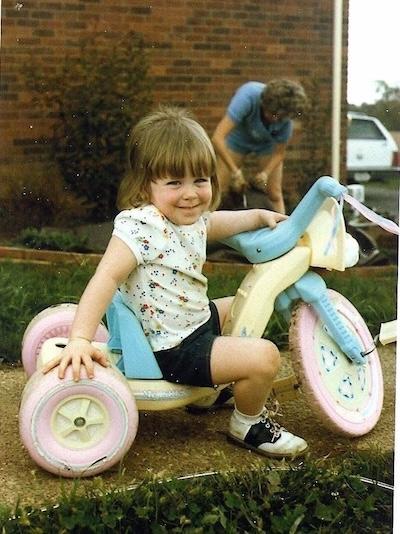
Please meet Jessie. Jessie is a long time clinical study participant who has been dealing with endometriosis since her first period. She recently slide into my LinkedIn DMs with an unusual and wildly generous offer: “I'm having a hysterectomy, do you want my uterus for the research study?” Jessie enrolled in our study before her first endometriosis diagnosis and, five years later, was closing a chapter in her medical journey by removing her uterus. We had collected her samples for years and seen her through two laparoscopic surgeries and unrelenting symptom management. She knew her menstrual studies with us were ending, and her instinct was to offer our science the last tissue of interest she had left. Here is her story about why it took over two decades for her to get a diagnosis.
Meet Jessie
25 years without answers.
Jessie found her way to our research almost five years ago. She had only recently learned the word endometriosis, after classic symptoms for 25 years. She describes getting her first period and being terrified she was dying. It was that bad. It never improved.
The women around her told her the pain was normal, and so she came to believe she was exaggerating it. It is a strange training, to be told how your own body should feel and to trust that telling over the body itself.
Contorting around the condition.

A hallmark of living with a life-altering condition is all the ways you contort around it. Jessie did, after a swim meet. The tampon box said change every eight hours, so as a teenager she took it at face value, trusting it would do its job for eight hours despite her heavy bleeding. (Partly because the concept of “heavier than normal bleeding” was not yet part of her vocabulary.) When her name was called, she stood up to find blood everywhere, on the seat, down her legs, all within just an hour. She had to get in the water anyway. That was the last time she swam competitively.
In her first year in college, she joined the soccer team. The games would last 90 minutes with a break between them. She would bleed through her shorts within an hour. The bathrooms were nowhere near the field, so halftime brought no real chance to change. After the games, the male coaches asked players to drop their uniforms into a laundry bin on the field, and she remembers trying to explain that she needed the bathroom first. (She would rinse her blood-soaked shorts in the sink before dropping them in the bin.) The coaches pressed for an explanation she didn't want to give, especially as a freshman. This introduced her to another emotion that follows the conditions so often affecting women: shame. Shame in asking, voicing, explaining, addressing.
An unexpected breakthrough.
The first time Jessie spoke to a doctor about her symptoms, after years of quietly accommodating them, the OBGYN confirmed that shame. She hadn't even booked an appointment for it, just waited for her regularly scheduled annual exam. She shared one observation: using the bathroom was impossibly difficult during her period, and the bowel movements on day one and two filled her with dread. The effort made her sweat in pain. The doctor laughed uncomfortably at her revelation and offered, "Well, I've never heard of that." Jessie dropped the subject and was humiliated, assuming she had mis-stepped in connecting GI issues to her period. There was something disorienting in being laughed at by the very person she'd come to for help.
And here she stayed, for years, in the in-between of extreme symptoms and no acknowledgement of them from the medical system. So she built her own protocols. Four Aleve in the first hour of day one, four more in the second hour, then a slow taper until the pain passed. Work travel during her period meant aisle seats only, for hourly tampon changes. Adapt, contain, try to live.
When she turned 38, she was gifted a session with a medical psychic. Why not, she thought. She had tried everything else. She described her symptoms and heard the psychic say a word she had never heard before, one she wrote down carefully to google later: endometriosis. She sounded it out and captured it phonetically. When she looked it up, it was like a homecoming. So many moments of recognition.
A series of surgeries.

Now she had the language to advocate for what she needed. She scheduled her first laparoscopy. It brought some relief from the pain, but far more relief in the confirmation itself. She had endometriosis.
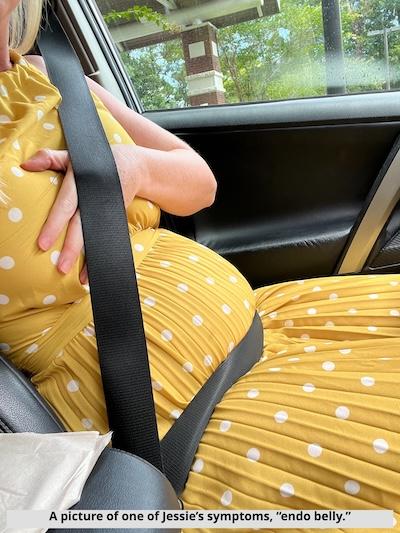
The surgery didn't end the bloating. On some days she swelled until she looked nine months pregnant and couldn't see her feet. No one had told her about the bowel prep the surgery required; the instructions had simply been left out. Believing the endometriosis was behind her, she started a new odyssey, one that involved expensive supplements and four-hour drives to Atlanta to sit with a holistic doctor. None of it worked.
A local surgeon kept surfacing in her feeds, and eventually she went to see him and scheduled a second surgery. The report afterward used a phrase she would not forget, something close to "freed from paralysis of the intestines." The disease had been wrapped around them the whole time, closing the passage so tightly that food could barely move through, and the bloating she had been chasing all those years had a source after all. Freed, finally – or so she thought.
A new beginning.
She started birth control to manage her periods. It worked, in a way. They were no longer heavy. They just became never-ending. She bled for two years straight. Every day. A light, persistent flow. A problem that once arrived in concentrated force each month had been diluted into a daily nuisance. Less than ideal.
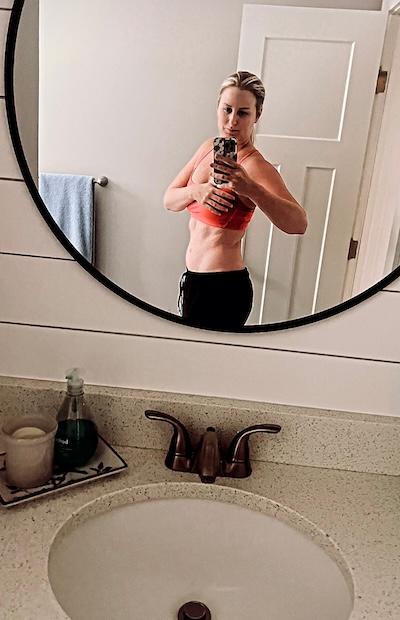
This year, she decided to remove her uterus. Hence the LinkedIn message. "I'm having a hysterectomy, do you want my uterus for the research study?" Since the procedure, Jessie has felt lighter. My hope is that another LinkedIn message finds me one day, carrying something ordinary: a swim class picked back up, or a window seat chosen without thinking twice. A lifetime of contingent decisions, quietly unwinding
If you are moved by Jessie’s story and want to help change how we get answers when our bodies go awry, know that you can. We are currently recruiting controls and endometriosis patients into our study. Check out our open and enrolling clinical studies and become a part of the solution.